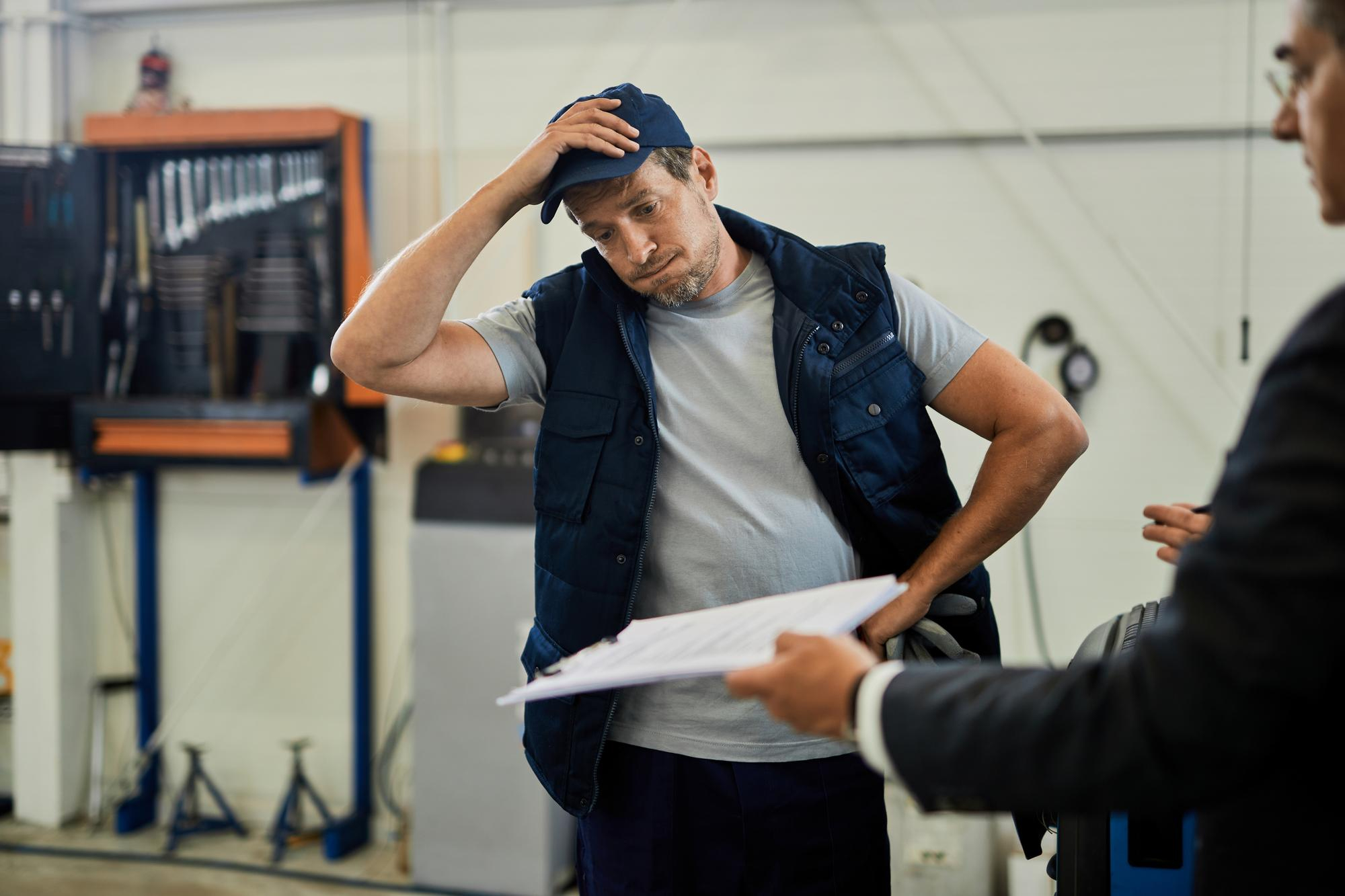
Owning a rental property can be one of the most rewarding investments, but it also comes with ongoing responsibilities. Many rental property owners focus primarily on collecting rent, finding reliable tenants, and increasing property value, while maintenance often becomes an afterthought. However, ignoring small maintenance issues can quickly turn into expensive repairs, emergency calls, tenant dissatisfaction, and unnecessary financial losses. Preventive maintenance is one of the smartest strategies rental property owners can implement because it protects their investment, reduces long-term expenses, and helps maintain a positive relationship with tenants.
A proactive maintenance approach allows owners to identify potential problems before they become major issues. Instead of waiting for a tenant to report a leaking pipe, broken appliance, or HVAC failure, preventive maintenance addresses these concerns before they escalate. The difference between a planned maintenance expense and an emergency repair bill can often be thousands of dollars.
| Maintenance Area | Preventive Action | Potential Cost Savings |
| HVAC System | Seasonal inspections, filter replacements, professional servicing | Avoids expensive replacements and improves energy efficiency |
| Plumbing System | Leak inspections, pipe checks, water heater maintenance | Prevents water damage and major repair costs |
| Roof & Gutters | Regular inspections and cleaning | Reduces risk of leaks, mold, and structural damage |
| Electrical Systems | Checking outlets, wiring, and panels | Helps prevent safety hazards and costly electrical repairs |
| Appliances | Routine inspections and servicing | Extends appliance lifespan and delays replacement costs |
| Exterior Maintenance | Landscaping, paint touch-ups, drainage checks | Protects curb appeal and prevents property deterioration |
Understanding Preventive Maintenance for Rental Properties
Preventive maintenance refers to regularly scheduled inspections, servicing, and repairs designed to keep a property in good condition before problems occur. Instead of reacting to emergencies, property owners create a maintenance schedule that helps identify issues early.
For rental properties, preventive maintenance typically includes:
- HVAC system inspections
- Plumbing evaluations
- Roof inspections
- Pest control treatments
- Appliance servicing
- Electrical system checks
- Safety inspections
- Exterior property upkeep
- Seasonal maintenance tasks
A rental property is not just a building; it is a financial asset. Like any other investment, it requires consistent care to maintain its value. A vehicle receives regular oil changes to prevent engine failure, and a rental property requires regular inspections to prevent expensive deterioration.
Learn more about professional property management strategies here:
Property Management Services
The True Cost of Ignoring Rental Property Maintenance
Many owners delay maintenance because they want to reduce immediate expenses. While this may seem like a way to save money, deferred maintenance usually creates larger financial problems in the future.
For example, a small roof leak may initially require a simple repair costing a few hundred dollars. However, if ignored, that leak can lead to:
- Water damage
- Mold growth
- Damaged insulation
- Ceiling repairs
- Structural problems
- Tenant complaints
A minor plumbing leak can create similar issues. A leaking pipe hidden behind a wall may cause thousands of dollars in damage before it becomes visible.
According to industry experience, emergency repairs often cost significantly more than scheduled maintenance because they require urgent service, after-hours labor, and additional damage control.
Preventive maintenance allows property owners to budget expenses instead of being surprised by unexpected repair bills.
How Preventive Maintenance Protects Your Rental Investment
A rental property is a long-term investment, and protecting its condition directly impacts profitability. Regular maintenance helps preserve the property’s structure, appearance, and functionality.
1. Extends the Lifespan of Major Systems
Major property systems such as HVAC units, water heaters, plumbing systems, and appliances represent significant expenses. Replacing these systems prematurely can reduce your rental property’s profitability.
Routine servicing helps these systems operate efficiently for longer periods.
For example:
- Replacing HVAC filters regularly improves system performance.
- Flushing water heaters reduces sediment buildup.
- Cleaning appliances prevents unnecessary strain.
- Inspecting electrical systems identifies potential failures early.
A properly maintained HVAC system may last years longer than one that receives attention only after breaking down.
Read more about protecting your investment property here:
Rental Property Maintenance Checklist
2. Reduces Expensive Emergency Repairs
Emergency repairs are among the biggest financial challenges for rental property owners. They often happen unexpectedly and require immediate attention.
Examples include:
- Burst pipes during winter
- Failed air conditioning during extreme heat
- Electrical failures
- Major appliance breakdowns
- Roof leaks after storms
Emergency repairs are not only expensive but can also create inconvenience for tenants. A property owner may need to pay premium service fees while also dealing with tenant dissatisfaction.
A preventive maintenance schedule reduces the likelihood of these emergencies occurring.
3. Helps Maintain Tenant Satisfaction and Retention
Tenant experience plays an important role in rental property success. Good tenants are more likely to renew their leases when they live in a well-maintained home.
A property with ongoing maintenance issues can lead to:
- Frequent complaints
- Negative reviews
- Increased tenant turnover
- Lost rental income
When tenants see that their concerns are addressed quickly and the property is maintained properly, they are more likely to treat the home with respect.
Preventive maintenance creates a better living environment and strengthens the landlord-tenant relationship.
4. Protects Against Property Value Decline
Rental properties naturally experience wear and tear over time. Without proper maintenance, the property’s condition can decline significantly.
Issues such as:
- Damaged flooring
- Outdated appliances
- Exterior deterioration
- Landscaping neglect
- Plumbing problems
can reduce the property’s market appeal.
Regular maintenance keeps the property attractive for both current tenants and future buyers.
Owners who maintain their properties consistently are more likely to preserve or increase their property’s value over time.
Seasonal Preventive Maintenance Tasks Every Rental Owner Should Consider
Different seasons bring different maintenance challenges. Creating a seasonal checklist helps ensure important tasks are not overlooked.
Spring Maintenance
Spring is a great time to inspect the property after winter conditions.
Recommended tasks:
- Check the roof for winter damage
- Clean gutters
- Inspect exterior paint
- Test air conditioning systems
- Check drainage systems
- Inspect landscaping
Summer Maintenance
Summer maintenance focuses on cooling systems and outdoor areas.
Important tasks include:
- Replace HVAC filters
- Service air conditioning units
- Check irrigation systems
- Inspect outdoor structures
- Monitor pest activity
Fall Maintenance
Fall preparation helps protect properties before colder weather arrives.
Tasks include:
- Clean gutters
- Inspect heating systems
- Seal windows and doors
- Check insulation
- Prepare plumbing systems
Winter Maintenance
Winter prevention focuses on avoiding weather-related damage.
Owners should:
- Protect exposed pipes
- Monitor heating systems
- Check for drafts
- Inspect emergency systems
- Address ice and snow concerns where applicable
The Financial Benefits of a Preventive Maintenance Plan
Preventive maintenance does require investment, but the financial return can be substantial.
Here are some ways it saves money:
Lower Repair Costs
Routine inspections identify problems before they become expensive repairs.
A $150 plumbing repair today may prevent a $5,000 water damage restoration project later.
Reduced Vacancy Periods
A poorly maintained property may take longer to rent because prospective tenants notice visible problems.
A clean, functional, and well-maintained rental attracts better applicants and reduces vacancy periods.
Improved Energy Efficiency
Maintenance improves the efficiency of major systems.
Examples:
- Clean HVAC filters reduce energy consumption.
- Proper insulation improves temperature control.
- Efficient appliances lower utility usage.
Although tenants often pay utilities, energy-efficient homes are more attractive and competitive in the rental market.
Why Rental Property Owners Should Consider Professional Property Management
Managing preventive maintenance can become challenging, especially for owners with multiple properties or those who live far away.
Professional property managers provide:
- Routine inspections
- Vendor coordination
- Maintenance scheduling
- Emergency response management
- Tenant communication
- Cost-effective repair solutions
Instead of reacting to problems, professional managers create systems that keep properties operating smoothly.
Explore how professional management can help protect your investment:
Professional Property Management Benefits
Creating a Preventive Maintenance Schedule for Your Rental Property
A successful maintenance plan requires organization.
A basic schedule may include:
Monthly Tasks
- Check for leaks
- Review tenant maintenance requests
- Inspect common areas
- Monitor HVAC filters
Quarterly Tasks
- Inspect plumbing fixtures
- Review safety equipment
- Check appliances
- Evaluate exterior conditions
Annual Tasks
- Complete professional inspections
- Service HVAC systems
- Inspect roof condition
- Review insurance requirements
- Update maintenance records
Keeping detailed records also helps owners track expenses and identify recurring problems.
Common Mistakes Rental Owners Make With Maintenance
Many rental owners unintentionally increase costs by making avoidable mistakes.
Waiting Until Something Breaks
Reactive maintenance is often more expensive than planned maintenance.
Choosing the Cheapest Repair Option
Low-quality repairs may create repeated problems and higher expenses later.
Ignoring Tenant Reports
Tenant complaints should be treated as early warnings. Ignoring small issues can result in bigger damage.
Not Keeping Maintenance Records
Without records, owners may struggle to track repairs, warranties, and recurring issues.
Final Thoughts: Preventive Maintenance Is an Investment, Not an Expense
Preventive maintenance is one of the most effective ways rental property owners can protect their investments and reduce unnecessary expenses. While maintenance requires planning and consistent attention, the long-term savings can be significant.
By regularly inspecting systems, addressing small problems early, and maintaining the property’s condition, owners can avoid expensive emergencies, improve tenant satisfaction, and preserve property value.
A successful rental investment is not only about collecting rent. It is about protecting the asset that generates that income.
Creating a preventive maintenance strategy today can save rental property owners thousands of dollars in the years ahead.
Disclaimer The information provided in this article is intended for general educational purposes only and should not be considered professional, legal, financial, or property management advice. Rental property conditions, regulations, and maintenance requirements can vary depending on location, property type, and individual circumstances. Do not rely solely on this information when making decisions regarding your rental property. Always consult qualified professionals, licensed contractors, certified inspectors, or experienced property management professionals for advice specific to your situation.