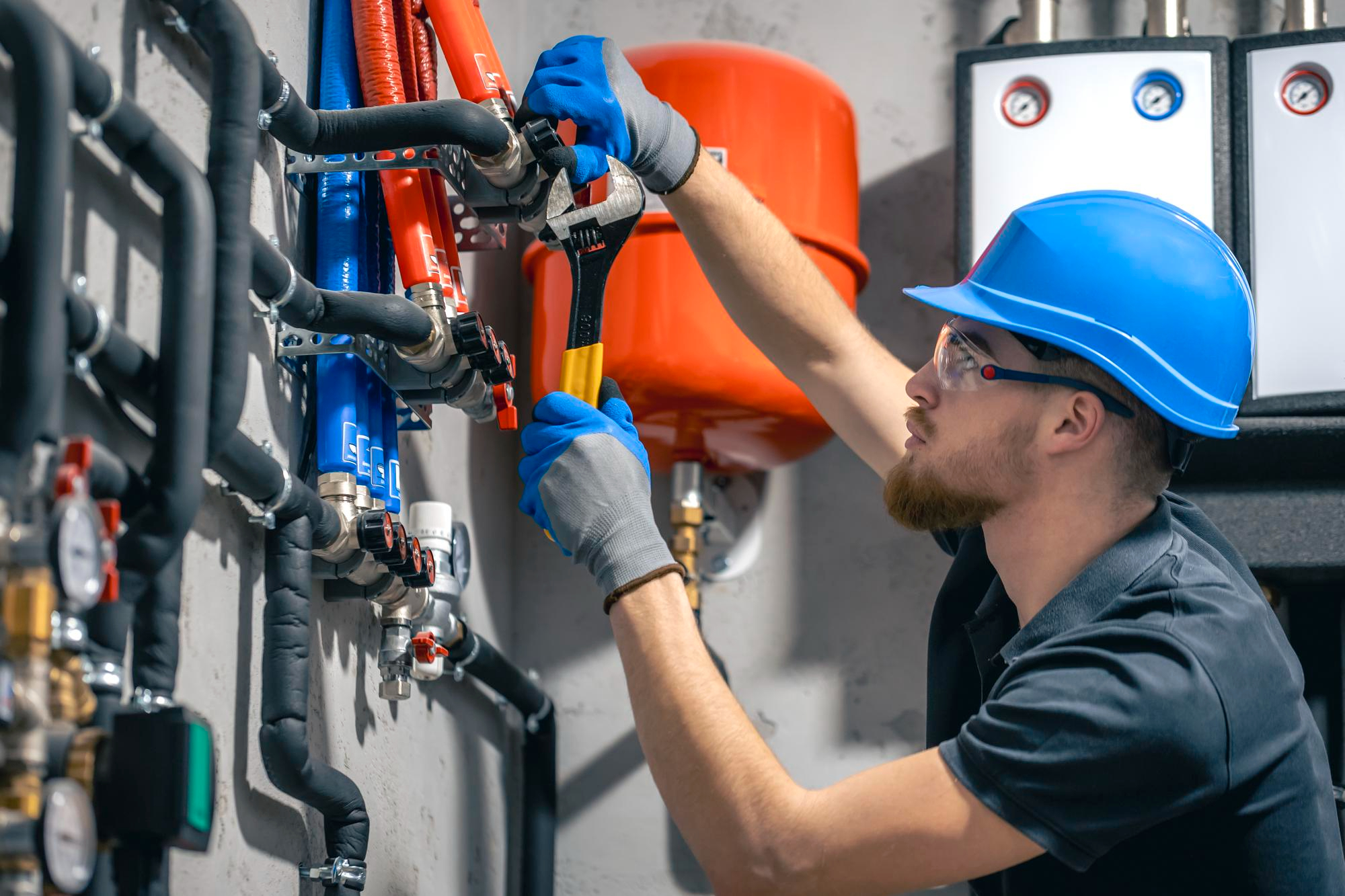
Rental property ownership involves much more than collecting rent and responding to maintenance requests. Property owners and managers also have an ongoing responsibility to maintain a safe, functional, and well-maintained environment for residents. One of the most effective ways to stay ahead of potential problems is to conduct annual safety inspections for rental properties.
An annual rental property safety inspection provides an opportunity to identify hazards before they become expensive repairs, disruptive emergencies, or serious safety concerns. While inspection requirements vary by state, city, property type, lease agreement, and housing program, a structured annual inspection can serve as an important part of a broader property maintenance strategy. HUD inspection frameworks, for example, place significant emphasis on health, safety, and functional conditions rather than appearance alone.
| Safety Inspection Area | What to Check | Potential Benefit |
| Electrical systems | Outlets, switches, wiring, panels, fixtures | Helps identify electrical hazards |
| Smoke & CO alarms | Presence, placement, operation, batteries | Supports fire and carbon-monoxide safety |
| Plumbing | Leaks, water pressure, fixtures, drainage | Helps prevent water damage and mold-related issues |
| HVAC systems | Heating, cooling, ventilation, filters | Supports comfort and system performance |
| Doors & windows | Locks, frames, emergency exits, operation | Improves security and emergency access |
| Stairs & railings | Handrails, steps, loose components | Reduces fall hazards |
| Roof & exterior | Roof condition, drainage, siding, walkways | Helps identify developing structural issues |
| Fire safety | Extinguishers, exits, fire doors where applicable | Supports emergency preparedness |
| General condition | Floors, ceilings, walls, trip hazards | Helps catch maintenance issues early |
What Is an Annual Rental Property Safety Inspection?
An annual safety inspection is a scheduled review of a rental property’s interior, exterior, systems, fixtures, and safety features. The goal is not simply to determine whether a property looks clean. Instead, the inspection focuses on identifying conditions that could affect resident safety, property functionality, compliance, or long-term maintenance.
A professional inspection may cover individual rental units as well as common areas and exterior spaces. HUD’s NSPIRE framework, for example, organizes inspection areas into the unit, inside, and outside, with attention to functional adequacy and health and safety hazards.
The exact scope of an inspection should be adjusted according to the property. A single-family rental will have different inspection priorities than a multifamily building, duplex, apartment complex, or property with shared amenities.
It is also important to distinguish an annual owner or property-management safety inspection from a government inspection, insurance inspection, code inspection, or specialized professional inspection. An annual safety inspection can complement these processes but does not automatically replace legally required inspections.
1. Early Identification of Safety Hazards
One of the primary benefits of annual safety inspections is the ability to identify hazards before they become serious problems.
Small issues are easy to overlook during everyday property management. A loose handrail, damaged outlet cover, deteriorating step, leaking pipe, malfunctioning smoke alarm, or damaged window lock may not initially appear urgent. However, seemingly minor defects can become more significant if they are ignored.
A structured inspection creates a regular opportunity to examine these areas systematically.
HUD’s inspection standards demonstrate how different components of a rental property can affect health and safety. Its NSPIRE standards address items including smoke alarms, carbon monoxide alarms, structural systems, stairs and steps, windows, water heaters, trip hazards, ventilation, doors, and other property components.
Annual inspections can therefore help property owners move from a reactive approach to a more proactive maintenance strategy.
Instead of waiting for a resident to report a problem, property managers can identify issues during scheduled inspections and determine whether they require immediate correction, routine maintenance, or further professional evaluation.
2. Better Fire and Carbon Monoxide Safety
Fire and carbon monoxide hazards deserve special attention during rental property inspections.
Smoke alarms should be checked for appropriate placement, visible condition, and operation according to applicable requirements and manufacturer guidance. Carbon monoxide alarms are also important in properties where carbon monoxide exposure may be a concern.
HUD’s inspection standards specifically address smoke and carbon monoxide alarms. HUD identifies carbon monoxide alarm deficiencies as potentially life-threatening in applicable housing situations.
An annual inspection can provide an opportunity to verify that:
- Smoke alarms are present where required.
- Carbon monoxide alarms are present where required.
- Alarms appear properly installed.
- Devices can be tested appropriately.
- Batteries or power supplies are maintained according to applicable requirements.
- Fire extinguishers, where provided, are accessible and appear serviceable.
- Emergency exits are not obstructed.
- Doors and windows intended for emergency escape can operate properly.
- Common-area fire safety equipment receives appropriate professional servicing when required.
However, property owners should not assume that a visual inspection alone is sufficient for fire safety. Fire alarm systems, extinguishers, sprinkler systems, electrical systems, and other specialized equipment may require inspection or servicing by qualified professionals.
3. Preventing Expensive Repairs
Annual safety inspections are not only about resident safety. They can also help protect the owner’s investment.
Many expensive repairs begin as relatively small problems.
A slow plumbing leak can eventually damage flooring, cabinets, drywall, insulation, or structural components. A deteriorating roof may allow water intrusion that becomes significantly more expensive after repeated exposure. Poor drainage around the property can contribute to foundation or moisture concerns.
Regular inspections give property managers an opportunity to identify warning signs early.
For example, an inspector or property manager may notice:
- Water stains on ceilings.
- Moisture beneath sinks.
- Cracked caulking around tubs.
- Slow drains.
- Damaged supply lines.
- Signs of roof deterioration.
- Missing or damaged gutter components.
- Cracks around doors or windows.
- Damaged flooring.
- Deteriorating exterior materials.
Not every observation means that a major repair is necessary. The purpose is to identify potential problems early enough to investigate them appropriately.
This is particularly valuable for rental property owners because preventive maintenance can be easier to schedule and budget than emergency repairs.
4. Supporting Long-Term Property Maintenance
A good rental property maintenance strategy should not depend entirely on emergency work orders.
Annual inspections create a documented opportunity to evaluate the property’s overall condition and identify maintenance priorities.
Property managers can categorize findings into groups such as:
Immediate safety concerns:
Issues that may require urgent attention because they present a significant safety risk.
Priority repairs:
Problems that are not necessarily emergencies but should be addressed promptly.
Routine maintenance:
Normal maintenance items that can be scheduled.
Monitoring items:
Conditions that should be observed during future inspections.
This approach helps owners distinguish between urgent repairs and long-term maintenance projects.
It can also make budgeting easier. Instead of discovering several major maintenance needs at the same time, property managers can identify developing problems and plan for them in advance.
5. Protecting Residents and Improving Tenant Experience
Residents want their rental homes to be safe, functional, and comfortable.
An annual safety inspection demonstrates that property condition is being monitored rather than ignored until something breaks.
During an inspection, property managers may discover issues that residents have become accustomed to living with. For example, a resident may stop reporting a loose door handle because they assume it is a minor inconvenience. Another resident may not realize that a ventilation problem is contributing to excess moisture.
A professional inspection provides another channel for identifying those concerns.
HUD’s inspection approach emphasizes resident health, safety, and functional conditions. Its NSPIRE model specifically prioritizes deficiencies based on their potential impact rather than focusing primarily on cosmetic appearance.
That philosophy can be useful for private rental-property management as well: focus attention on the conditions that matter most to people living in the property.
6. Identifying Electrical Problems
Electrical systems should receive careful attention during rental property safety inspections.
Potential warning signs may include:
- Damaged outlets or switches.
- Loose electrical fixtures.
- Missing outlet covers.
- Flickering lights.
- Exposed wiring.
- Evidence of overheating.
- Improper extension-cord use.
- Tripped breakers or recurring electrical issues.
- Damaged exterior electrical components.
A property manager should not attempt electrical repairs beyond their qualifications. If an inspection identifies a potentially dangerous electrical condition, a licensed electrician should evaluate and correct it where required.
Annual inspections can be especially helpful because electrical problems are not always obvious to residents.
A systematic inspection can flag visible concerns that deserve professional evaluation before they develop into larger hazards.
7. Reducing Slip, Trip, and Fall Risks
Falls are another reason property inspections matter.
Inspectors should pay attention to:
- Loose flooring.
- Uneven surfaces.
- Damaged stairs.
- Missing or loose handrails.
- Poorly maintained walkways.
- Inadequate lighting.
- Loose rugs or similar hazards where applicable.
- Damaged exterior pavement.
- Obstructed pathways.
HUD’s NSPIRE standards include trip hazards, steps and stairs, structural systems, windows, and handrails among the components considered during inspection.
These issues can exist inside individual rental units, in hallways, around entrances, or throughout exterior areas.
Correcting a small hazard early may be significantly easier than responding to an injury, emergency repair, or major property claim later.
8. Checking Plumbing and Water Systems
Water-related problems are among the most common maintenance concerns in rental properties.
Annual safety inspections should include a review of visible plumbing fixtures and areas where water problems may develop.
Property managers can look for:
- Leaking faucets.
- Leaking toilets.
- Water stains.
- Damaged supply lines.
- Drainage problems.
- Signs of moisture beneath sinks.
- Deteriorated caulking.
- Water heater concerns.
- Visible corrosion.
- Unusual odors associated with moisture or drainage.
Water heaters deserve particular attention because they combine water, heat, pressure, and, in some properties, fuel or electrical systems.
HUD’s NSPIRE standards specifically include water heaters and plumbing-related conditions among inspectable property components.
Any suspected gas, electrical, pressure, or combustion-related problem should be evaluated by an appropriately qualified professional.
9. Evaluating Heating, Cooling, and Ventilation
HVAC systems directly affect resident comfort and can also influence property safety and maintenance.
An annual inspection can help identify:
- Poor airflow.
- Dirty or neglected filters.
- Unusual noises.
- Visible damage.
- Drainage issues.
- Inadequate ventilation.
- Improperly functioning heating or cooling equipment.
- Problems around fuel-burning appliances.
- Signs of moisture associated with HVAC systems.
HUD housing-health guidance recommends annual inspection of fuel-burning appliances and their venting systems to help prevent combustion-gas poisoning, while also emphasizing properly functioning carbon monoxide and smoke alarms near sleeping areas.
This illustrates why HVAC inspections should not be treated solely as a comfort issue.
Depending on the system, professional HVAC servicing may be appropriate in addition to a general property inspection.
10. Protecting the Property From Water and Moisture Damage
Moisture problems can develop gradually.
A small roof leak, damaged gutter, plumbing leak, or inadequate bathroom ventilation may not immediately cause visible damage. Over time, however, persistent moisture can contribute to deterioration, unpleasant odors, mold-related concerns, and expensive repairs.
Annual inspections can help property managers identify early warning signs.
Areas worth reviewing include:
- Bathrooms.
- Kitchens.
- Laundry areas.
- Under-sink cabinets.
- Around water heaters.
- Ceilings beneath plumbing fixtures.
- Exterior walls.
- Basements or crawlspaces where applicable.
- Attics.
- Roof drainage systems.
- Exterior grading and drainage.
Ventilation is also important. HUD’s housing-related health guidance specifically discusses bathroom, kitchen, and dryer exhaust and emphasizes proper venting to the exterior.
11. Improving Property Security
Safety inspections can also incorporate basic security checks.
Doors, windows, locks, exterior lighting, gates, and other security features should be reviewed according to the property’s design and applicable requirements.
Property managers may identify:
- Broken locks.
- Loose door hardware.
- Damaged window locks.
- Poorly functioning exterior doors.
- Inadequate lighting.
- Damaged fencing.
- Obstructed access points.
- Broken gates.
Security issues can affect both residents and property owners.
A secure rental property can also contribute to a better resident experience because tenants want confidence that doors, windows, and common access points are functioning properly.
12. Creating Better Documentation
Documentation is one of the most practical benefits of annual inspections.
A good inspection report should identify:
- Property address.
- Inspection date.
- Areas inspected.
- Observed deficiencies.
- Photographs when appropriate.
- Recommended action.
- Priority level.
- Date repairs were requested.
- Date repairs were completed.
- Vendor or contractor information when applicable.
Documentation creates a historical record of property condition.
Over time, inspection reports can help property managers recognize recurring problems. For example, if the same HVAC issue appears repeatedly, the owner may want to evaluate whether replacement or a larger system upgrade makes more sense than repeated repairs.
Documentation can also make communication with property owners clearer. Rather than simply saying that a property “needs maintenance,” a manager can provide photographs, descriptions, repair recommendations, and timelines.
13. Supporting Compliance Efforts
Rental property safety requirements can vary considerably depending on jurisdiction and property type.
Some properties may be subject to local housing codes, fire codes, building requirements, licensing rules, insurance requirements, or housing-program standards.
HUD-assisted housing is one example where formal inspection requirements can apply. HUD states that Housing Choice Voucher properties undergo inspections covering areas such as plumbing, electrical systems, heating and cooling, smoke and carbon monoxide detectors, windows, and other conditions.
However, private rental properties are not automatically subject to every HUD standard.
Property owners should therefore determine which federal, state, county, and municipal requirements apply to their specific property.
An annual safety inspection can help identify conditions that warrant attention, but it should not be treated as a guarantee of legal compliance.
14. Helping Owners Budget for Future Expenses
Rental property ownership involves ongoing capital and maintenance expenses.
Annual inspections can provide information that helps owners plan ahead.
For example, an inspection may reveal that:
- An aging HVAC system is still operational but approaching the end of its expected service life.
- Exterior materials are beginning to deteriorate.
- A roof shows signs of aging.
- Appliances are functioning but may need replacement in the future.
- Flooring is wearing unevenly.
- Plumbing components require increasing maintenance.
These observations can help owners distinguish between today’s repair needs and tomorrow’s capital expenses.
Instead of being surprised by a major replacement, an owner may have time to research options, obtain estimates, and set aside funds.
15. Supporting Preventive Maintenance
The biggest value of an annual safety inspection may be that it encourages preventive thinking.
Reactive property management generally follows this pattern:
Something breaks → tenant reports it → emergency response → repair → expense.
Preventive management aims for:
Inspect → identify developing issue → prioritize → schedule maintenance → monitor results.
Annual safety inspections do not eliminate emergencies. They also do not replace regular maintenance or resident reporting.
Instead, they add another layer of oversight.
A strong property-management program may combine:
- Annual safety inspections.
- Move-in inspections.
- Move-out inspections.
- Routine maintenance.
- Preventive HVAC servicing.
- Resident work orders.
- Emergency response procedures.
- Seasonal property checks.
- Professional inspections when needed.
HUD itself describes its NSPIRE model as supporting year-round maintenance rather than relying exclusively on periodic inspection events.
16. A Practical Annual Rental Safety Inspection Checklist
Although inspection requirements differ, property owners and managers can use a broad checklist as a starting point.
Interior
Check:
- Floors and ceilings.
- Walls and visible structural components.
- Doors and locks.
- Windows and window locks.
- Stairs and handrails.
- Electrical outlets and visible wiring.
- Lighting.
- Plumbing fixtures.
- Water heaters.
- HVAC equipment.
- Ventilation.
- Smoke alarms.
- Carbon monoxide alarms.
- Kitchen appliances.
- Bathroom fixtures.
- Visible signs of moisture.
- Potential trip hazards.
Exterior
Review:
- Roof condition where safely observable.
- Gutters and downspouts.
- Drainage.
- Exterior walls.
- Steps.
- Walkways.
- Handrails.
- Exterior lighting.
- Doors and locks.
- Fencing and gates.
- Driveways and parking areas.
- Visible foundation concerns.
- Outdoor electrical fixtures.
- Landscaping hazards.
Safety Systems
Confirm, as applicable:
- Smoke alarms are present and maintained.
- Carbon monoxide alarms are present where required.
- Emergency exits are accessible.
- Fire safety equipment is appropriately maintained.
- Safety equipment is not obstructed.
- Specialized systems receive required professional inspections.
17. How Property Managers Can Make Annual Inspections More Effective
Simply performing an inspection once a year is not enough. The process should produce useful information that leads to action.
Use a Consistent Checklist
Using the same basic checklist each year makes it easier to identify changes in property condition.
Take Appropriate Photos
Photos can provide useful documentation of visible conditions and help owners understand recommended repairs.
Prioritize Findings
Not every inspection finding has the same urgency.
Separate life-safety concerns from routine maintenance and cosmetic improvements.
Create Work Orders Promptly
Inspection findings should be converted into actionable maintenance requests where appropriate.
Track Completion
An inspection is incomplete from a management perspective if significant findings are identified but never followed through.
Compare Year Over Year
Comparing annual inspection records can help identify recurring problems and long-term trends.
Use Qualified Professionals
Some systems require expertise that goes beyond a general property-management inspection. Electrical, HVAC, plumbing, structural, roofing, fire protection, and other specialized concerns should be evaluated by qualified professionals when appropriate.
18. Annual Inspections Can Strengthen the Owner-Manager Relationship
For property owners who rely on professional property management, annual safety inspections can provide another layer of transparency.
Owners want to know that their property is being monitored even when they are not physically present.
A detailed inspection report can show:
- What was inspected.
- What was found.
- Which issues require attention.
- Which repairs are recommended.
- Which repairs have been completed.
- What should be monitored in the future.
This transforms property management from simply responding to tenant requests into a more proactive approach to asset oversight.
For owners with multiple rental properties, standardized inspection reporting can also make it easier to compare maintenance needs across the portfolio.
19. The Difference Between Safety Inspections and Property Inspections
It is useful to understand that a safety inspection is not necessarily the same as a comprehensive property inspection.
A safety inspection may concentrate heavily on hazards that could affect residents or property functionality.
A comprehensive inspection may have a broader scope.
Similarly, specialized professionals may inspect specific systems separately.
For example:
General property inspection: broad assessment of visible property conditions.
Electrical inspection: specialized review of electrical systems.
HVAC inspection: specialized evaluation of heating and cooling systems.
Roof inspection: focused evaluation of roofing components.
Fire safety inspection: review of applicable fire protection systems and requirements.
Pest inspection: evaluation for evidence of pests or related damage.
The right combination depends on the property, its age, systems, location, use, and applicable regulations.
20. Making Safety Inspections Part of a Bigger Property Management Strategy
Annual safety inspections should not exist in isolation.
The strongest approach combines inspection information with the rest of the property’s maintenance history.
For example, if an inspection finds repeated plumbing problems, management can review previous work orders to determine whether the issue is isolated or recurring.
If a property repeatedly experiences HVAC problems, management can compare repair expenses with the cost and expected benefits of replacement.
If residents frequently report the same issue, inspection findings can help confirm whether there is an underlying maintenance problem.
This creates a continuous cycle:
Inspect → Document → Prioritize → Repair → Verify → Monitor → Inspect Again.
That cycle can help rental property owners make more informed maintenance decisions while keeping resident safety at the center of property operations.
Conclusion: Why Annual Safety Inspections Matter
Annual safety inspections are an important component of responsible rental property management.
They can help identify potential hazards, support preventive maintenance, improve documentation, protect residents, reduce the likelihood of avoidable property damage, and give owners greater visibility into the condition of their investments.
The most valuable inspections are not simply check-the-box exercises. They are structured processes that identify problems, prioritize them appropriately, document findings, and ensure that necessary repairs are followed through.
For rental property owners, an annual inspection can also provide valuable insight into the property’s long-term maintenance needs. Instead of waiting for every problem to become an emergency, owners and property managers can use inspection findings to plan repairs and manage expenses more strategically.
Ultimately, rental property safety inspections are about more than finding defects. They are about creating a consistent system for maintaining safe, functional, and well-managed homes.
Property owners should also remember that inspection requirements vary by location and property type. HUD standards can provide useful reference points for certain housing programs, but they do not automatically establish the legal requirements for every private rental property. Applicable state and local laws, fire codes, housing codes, lease requirements, insurance requirements, and professional standards should always be considered.
Disclaimer This article is intended for general informational and educational purposes only and should not be relied upon as legal, safety, engineering, building-code, insurance, financial, or professional advice. Rental property inspection requirements vary by location, property type, housing program, and other circumstances. Do not rely solely on the information provided in this article when making decisions about a rental property. Property owners and managers should consult appropriate licensed and qualified professionals, including licensed contractors, electricians, HVAC professionals, plumbers, inspectors, attorneys, insurance professionals, or relevant local authorities, when necessary. Always verify current federal, state, county, and local requirements before taking action.