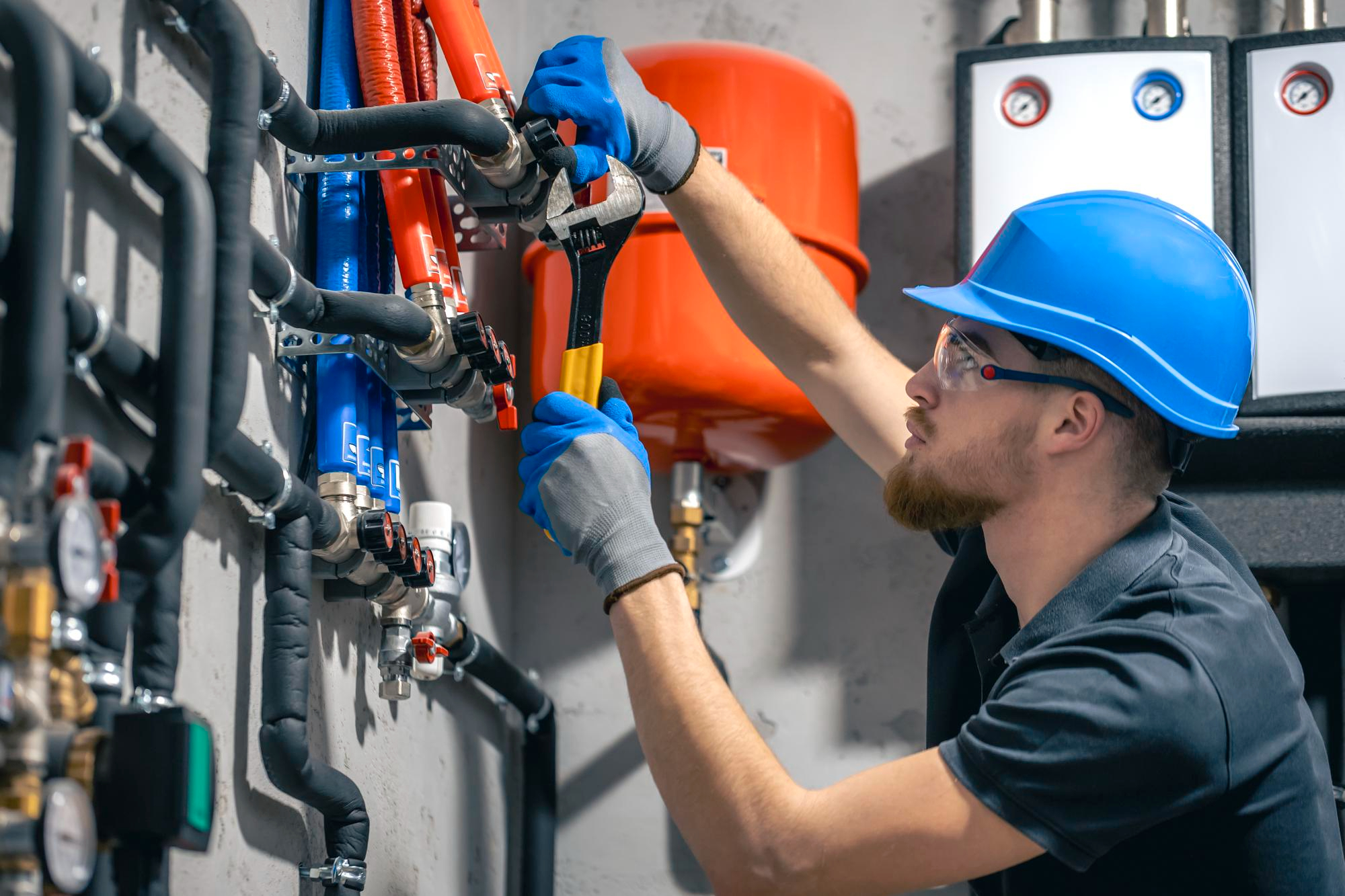
Owning a rental property can be a valuable long-term investment, but protecting that investment requires more than collecting rent each month. A rental home is a physical asset that is constantly exposed to weather, normal wear and tear, tenant use, aging systems, and unexpected maintenance problems. Property inspections provide owners and property managers with an organized way to monitor the condition of a rental property, identify potential problems, document changes, and plan maintenance before small issues become expensive repairs. For rental property owners in Amarillo, Canyon, Pampa, and surrounding Texas communities, a consistent inspection process can play an important role in preserving property condition and supporting long-term investment performance.
| Property Inspection Type | Primary Purpose | What It Can Help Identify | Typical Timing |
| Move-In Inspection | Establish baseline condition | Existing damage, appliance condition, safety concerns | Before or at tenant move-in |
| Routine Inspection | Monitor property condition | Leaks, damage, maintenance needs, exterior issues | Periodically during tenancy |
| Seasonal Inspection | Prepare for seasonal risks | HVAC, roof, gutters, plumbing, weather-related concerns | Before major seasonal changes |
| Maintenance Inspection | Evaluate specific systems | HVAC, plumbing, electrical, appliances | As needed or scheduled |
| Move-Out Inspection | Document final condition | Damage, wear and tear, cleaning and repair needs | At the end of tenancy |
| Vacancy Inspection | Protect an unoccupied property | Water leaks, security concerns, weather damage | During vacancy |
| Post-Repair Inspection | Confirm completed work | Incomplete or recurring repairs | After maintenance or renovation |
What Is a Rental Property Inspection?
A rental property inspection is a structured review of a property’s interior, exterior, systems, fixtures, appliances, and general condition. The exact scope and frequency can vary depending on the property, lease, local requirements, property-management agreement, and applicable laws.
An inspection is not simply a search for tenant-caused damage. A well-designed inspection process is a form of preventive property management. It gives owners an opportunity to identify conditions that may eventually affect the property’s safety, functionality, operating costs, tenant experience, or long-term condition.
HUD materials similarly describe regular inspections as having a preventive function because they can identify problems before they result in major damage.
For property owners, this means inspections can become part of a broader strategy that includes preventive maintenance, responsive repairs, tenant communication, financial planning, and documentation.
If you are evaluating your overall management approach, you can also explore Pace Enterprise’s property management services for information about maintenance, reporting, tenant care, and other areas of rental-property management.
Why Property Inspections Matter for Rental Investments
A rental property is both a home for a tenant and a financial asset for its owner. Those two perspectives make property inspections especially important.
Without regular oversight, a small problem can remain unnoticed until it becomes significantly more expensive. A slow plumbing leak, for example, may initially appear minor. Over time, however, continued moisture can contribute to damaged flooring, walls, cabinetry, or other components.
Likewise, a neglected HVAC issue may eventually result in an equipment breakdown during a period of extreme weather. A damaged roof or deteriorating exterior may allow water intrusion. A broken lock or damaged exterior lighting may create security concerns.
Inspections help property managers and owners create an ongoing record of property condition and identify issues that deserve attention.
1. Early Detection of Maintenance Problems
One of the biggest benefits of rental property inspections is early detection.
Many property problems do not become obvious until they have progressed significantly. Tenants may report visible problems, but some issues are hidden or may not be considered urgent by a resident.
During an inspection, a property manager can look for indicators such as:
- Water stains
- Plumbing leaks
- Slow drains
- Damaged flooring
- Cracked windows
- Damaged doors or locks
- HVAC problems
- Moisture concerns
- Appliance issues
- Damaged fixtures
- Electrical concerns
- Exterior deterioration
- Roof-related warning signs
- Landscaping or drainage problems
The objective should not be to find problems for the sake of finding problems. Instead, the goal is to identify legitimate maintenance needs early enough that the owner can make informed decisions.
Modern property-management guidance also emphasizes the importance of documenting conditions with checklists, photos, and videos and following up on identified issues.
2. Protecting the Physical Condition of the Property
Real estate requires ongoing care.
Even a well-built rental home naturally experiences wear as people live in it. Flooring receives foot traffic, appliances are used repeatedly, plumbing fixtures operate every day, and exterior materials are exposed to sun, wind, rain, and changing temperatures.
Regular inspections allow property managers to monitor these components over time.
For example, an inspection might reveal that:
- Caulking around a bathtub is deteriorating.
- A door is no longer closing properly.
- A gutter is becoming clogged.
- A fence has been damaged.
- An exterior light is no longer functioning.
- A faucet is beginning to leak.
- An HVAC filter requires replacement.
- A bathroom exhaust fan is not operating correctly.
Addressing these items while they are manageable can help reduce the likelihood of larger repair projects later.
Preventive maintenance schedules are particularly useful because they shift management away from an entirely reactive approach. Current property-management guidance recommends organizing recurring maintenance around the property’s systems, age, climate, and specific needs.
3. Reducing the Risk of Expensive Repairs
Property inspections do not guarantee that major repairs will never occur. However, they can improve an owner’s ability to identify developing problems.
Consider a simple example.
A small roof leak may initially require a relatively limited repair. If the issue goes unnoticed for an extended period, water can potentially affect ceilings, insulation, drywall, flooring, or other building materials.
The longer a problem continues, the more complicated the repair may become.
This is why preventive maintenance for rental properties should be viewed as an investment-management strategy rather than simply another expense.
The objective is not to eliminate maintenance costs. Rental properties will always require maintenance. Instead, owners should focus on identifying problems early, prioritizing repairs appropriately, and maintaining critical systems.
4. Creating a Clear Record of Property Condition
Documentation is another major benefit of property inspections.
A properly completed inspection report can establish a record of the property’s condition at a specific point in time.
A strong inspection file may include:
- Written observations
- Date and time of inspection
- Photographs
- Videos when appropriate
- Condition ratings
- Maintenance recommendations
- Work orders
- Repair invoices
- Follow-up documentation
Move-in and move-out documentation can be especially important because it allows the property manager to compare conditions over the course of a tenancy.
Inspection checklists are commonly used to document conditions at move-in, during regular inspections, and at move-out.
Documentation can also help reduce misunderstandings. If an issue arises later, the owner and property manager have a chronological record instead of relying entirely on memory.
5. Distinguishing Normal Wear and Tear From Damage
One of the most important responsibilities in rental property management is understanding the difference between ordinary wear and tenant-caused damage.
Not every imperfection is damage.
For example, minor aging of paint or reasonable wear on flooring may be expected over time. On the other hand, significant damage caused by misuse may require a different response.
Inspection documentation helps establish context.
A move-in report can document the property’s condition before occupancy. A later inspection can show changes. A move-out inspection can then provide another snapshot of the property’s condition.
This does not automatically determine who is financially responsible for every issue. Applicable state law, the lease, the facts of the situation, and other documentation must be considered.
Because rental laws vary, property owners should obtain qualified legal advice when dealing with disputes, security deposits, entry requirements, or other legal questions.
6. Supporting Tenant Safety and Property Habitability
Property inspections should also focus on conditions that could affect tenant safety.
Depending on the property and applicable requirements, inspection areas may include:
- Smoke detectors
- Carbon monoxide detectors
- Electrical fixtures
- Handrails
- Doors and locks
- Windows
- Plumbing
- Heating and cooling
- Water intrusion
- Stairs
- Exterior walkways
- Lighting
- Potential trip hazards
HUD’s NSPIRE framework, for properties subject to that program, emphasizes health, safety, security, privacy, usability, maintenance, and structural considerations when evaluating housing conditions.
Private rental properties may be subject to different standards, so owners should not assume that a federal inspection framework automatically applies to their property.
The larger principle remains useful: property inspections should look beyond cosmetic appearance and consider the functionality and safety of important property systems.
7. Improving Tenant Satisfaction
Inspections might initially seem like something that benefits only property owners. In reality, a well-managed inspection process can also benefit tenants.
Tenants want a home that is safe, functional, comfortable, and properly maintained.
When property managers identify maintenance problems early, tenants may experience fewer prolonged repair issues.
An inspection can also provide an opportunity for residents to communicate concerns that they may not have formally submitted through a maintenance request.
For example, a tenant might mention:
- A toilet that occasionally runs.
- A bedroom that does not cool properly.
- A window that is difficult to open.
- A minor plumbing issue.
- A door that sticks.
- A strange HVAC noise.
These details can help property managers identify maintenance needs before they become larger problems.
Pace Enterprise’s Resident Portal provides tenants with an online method for submitting maintenance requests and communicating with the management team.
A good inspection process should complement, not replace, tenant maintenance reporting.
8. Helping Property Owners Budget for Maintenance
Another important role of inspections is financial planning.
Rental-property expenses can be difficult to predict when owners only react to emergencies. A consistent inspection process can help reveal upcoming maintenance needs before they become urgent.
For example, an inspection may indicate that:
- An aging appliance may need replacement soon.
- Exterior paint is beginning to deteriorate.
- An HVAC system requires professional servicing.
- Flooring is approaching the end of its useful life.
- Plumbing fixtures are showing signs of aging.
Knowing about these issues allows an owner to plan.
Instead of facing an unexpected $3,000 expense without warning, the owner may be able to anticipate the likely need, evaluate options, and budget accordingly.
This is one reason rental property inspections and preventive maintenance should be connected to financial management.
9. Supporting Long-Term Property Value
A rental property is generally a long-term asset.
Owners should therefore think beyond the next month’s rent.
Maintaining the property in good condition can support its usefulness, marketability, and overall condition over time. While inspections themselves do not guarantee appreciation or a specific return on investment, they provide information that can help owners make better maintenance and improvement decisions.
A property that is consistently monitored is less likely to be managed entirely through emergency responses.
Regular inspections can help identify when it is time to:
- Repair rather than replace.
- Replace rather than repeatedly repair.
- Upgrade an inefficient component.
- Address exterior deterioration.
- Improve tenant-facing features.
- Plan larger capital projects.
The goal is to make these decisions based on documented property conditions rather than waiting until a major failure forces the decision.
10. Common Types of Rental Property Inspections
Different inspections serve different purposes.
Move-In Inspection
The move-in inspection establishes a baseline.
It should document the condition of major areas, fixtures, appliances, and other relevant components before or around the beginning of the tenancy.
Photographs can provide additional context.
Routine Property Inspection
A routine inspection evaluates the property while it is occupied.
The exact schedule should be based on the property, lease, applicable law, management agreement, and operational needs.
Property managers should provide legally required notice before entering an occupied rental. Entry rules vary by jurisdiction and circumstances. Current legal guidance emphasizes balancing property-maintenance obligations with tenant privacy and quiet enjoyment.
Seasonal Inspection
Seasonal inspections can focus on weather-related risks.
For example, owners in regions experiencing significant seasonal temperature changes may want to pay particular attention to:
- HVAC systems
- Gutters
- Roof condition
- Exterior drainage
- Plumbing
- Weatherstripping
- Doors and windows
- Irrigation systems
Move-Out Inspection
A move-out inspection documents the property’s condition after the tenant leaves.
It can help identify cleaning, maintenance, repair, or turnover requirements before the property is marketed again.
A detailed turnover process may also include testing appliances, checking plumbing, servicing HVAC equipment, changing locks when appropriate, and completing safety checks.
Vacancy Inspection
An unoccupied property still requires attention.
Vacant properties can be vulnerable to:
- Undetected water leaks
- Weather damage
- Security issues
- HVAC problems
- Vandalism
- Pest activity
- Utility-related problems
Periodic vacancy inspections can help owners identify issues before the property is reoccupied.
What Should a Rental Property Inspection Checklist Include?
A comprehensive rental property inspection checklist should be customized to the property.
Exterior
Check items such as:
- Roof-visible concerns
- Gutters and downspouts
- Drainage
- Siding
- Exterior doors
- Windows
- Fencing
- Landscaping
- Walkways
- Exterior lighting
- Garage
- Driveway
- Signs of water intrusion
Interior
Inspect:
- Walls
- Ceilings
- Floors
- Doors
- Windows
- Cabinets
- Fixtures
- Appliances
- Plumbing
- Electrical components
- HVAC
- Smoke detectors
- Carbon monoxide detectors
- Bathrooms
- Kitchen
- Bedrooms
- Common areas
Safety
Depending on the property and applicable requirements, pay attention to:
- Working alarms
- Secure locks
- Safe stairs
- Handrails
- Adequate lighting
- Electrical hazards
- Water leaks
- Trip hazards
- Emergency access
The inspection should identify observations without unnecessarily exceeding the inspector’s qualifications. Specialized concerns may require licensed professionals.
How Technology Can Improve Property Inspections
Technology has changed the way property managers document and organize inspections.
Instead of relying entirely on paper forms, property managers can use digital inspection tools to record:
- Photos
- Notes
- Inspection dates
- Repair recommendations
- Work orders
- Follow-up tasks
- Property history
Digital documentation can also make information easier to share with property owners.
For owners who want greater visibility into their rental portfolio, Pace Enterprise’s Owner Portal provides access to financial statements, documents, monthly summaries, and other investment information.
The broader benefit of technology is organization. Inspection information should not exist in isolation. It should connect with maintenance records, invoices, communications, and owner reporting whenever possible.
Property Inspections and Preventive Maintenance
Inspection and maintenance are closely connected but are not the same thing.
An inspection identifies a condition.
Maintenance addresses the condition.
For example:
Inspection: The HVAC system appears to be struggling to maintain temperature.
Next step: Schedule appropriate HVAC evaluation or servicing.
Inspection: A plumbing fixture is showing signs of leakage.
Next step: Create a maintenance work order.
Inspection: Exterior drainage appears inadequate.
Next step: Evaluate the drainage issue and determine whether corrective work is necessary.
This distinction helps create a more organized workflow.
HUD property-management resources also emphasize the connection between inspections and preventive maintenance, including maintaining written inspection and maintenance records.
How Often Should Rental Properties Be Inspected?
There is no universal inspection schedule that applies to every rental property.
Frequency may depend on:
- Local and state law
- Lease terms
- Property type
- Property age
- Property condition
- Previous maintenance history
- Tenant circumstances
- Insurance requirements
- Owner preferences
- Property-management agreements
Some properties may benefit from more frequent attention because of their age, condition, location, or systems.
The important principle is consistency.
An inspection program should be regular enough to provide meaningful oversight without unnecessarily interfering with the tenant’s reasonable privacy and enjoyment of the property.
Owners should consult Texas-specific and local legal requirements before establishing an inspection schedule for occupied rentals.
Common Property Inspection Mistakes to Avoid
1. Treating Inspections as a Search for Tenant Fault
The purpose of an inspection should be broader than finding someone to blame for problems.
The objective should be to understand the property’s condition and determine what needs attention.
2. Failing to Document Findings
A verbal observation is much less useful than a dated written record supported by appropriate photographs.
3. Ignoring Small Problems
Small issues can become large issues.
A dripping faucet, loose seal, damaged gutter, or minor water stain deserves appropriate attention rather than automatic dismissal.
4. Skipping Follow-Up
An inspection report is only useful if identified issues are actually evaluated and addressed.
5. Entering Without Proper Notice
Property managers must follow applicable entry laws and lease requirements. Tenant privacy should be treated as an important part of professional property management.
6. Using the Same Approach for Every Property
A 50-year-old rental home and a recently constructed property may have very different inspection priorities.
7. Attempting Specialized Repairs Without Qualified Professionals
Property managers can identify potential problems, but certain repairs and evaluations should be performed by appropriately licensed or qualified professionals.
Building an Effective Rental Property Inspection Process
A strong inspection process can follow a simple cycle:
1. Schedule
Establish an appropriate inspection schedule.
2. Notify
Provide tenants with the required notice and relevant information.
3. Inspect
Use a standardized checklist appropriate for the property.
4. Document
Record observations and take appropriate photographs.
5. Prioritize
Separate urgent safety or property-protection issues from routine maintenance.
6. Assign
Create work orders or coordinate qualified vendors.
7. Verify
Confirm that necessary work has been completed.
8. Report
Provide owners with relevant findings, costs, and recommendations.
9. Track
Keep inspection and maintenance records for future reference.
10. Repeat
Use the property’s history to improve future inspection and maintenance planning.
This creates a continuous property-management feedback loop.
The Financial Value of Proactive Property Management
For rental property owners, the value of inspections extends beyond the inspection itself.
A well-maintained property can be easier to manage because problems are identified earlier, maintenance can be planned more effectively, and owners have better information about the condition of their assets.
Inspections can also support broader property-management goals such as:
- Protecting the physical asset
- Supporting tenant satisfaction
- Planning maintenance expenses
- Reducing avoidable emergency repairs
- Documenting property condition
- Improving communication
- Supporting compliance efforts
- Preparing for tenant turnover
- Identifying future capital needs
Current property-management resources similarly emphasize that inspections can help keep rental units safe, up to date, and comfortable while creating a documented record of property condition.
Why Owners Should Treat Inspections as an Investment Strategy
It is easy to view inspections as another operational task.
A better perspective is to view them as an information system for the physical side of your investment.
Financial reports tell you what is happening with the money.
Maintenance records tell you what work has been performed.
Tenant communications tell you what residents are experiencing.
Property inspections tell you what is happening with the physical asset.
When these pieces of information work together, owners can make more informed decisions.
For example, an owner who sees increasing repair costs alongside inspection reports showing an aging HVAC system may decide that continued repairs deserve closer evaluation.
Similarly, repeated inspection findings involving plumbing could indicate a larger underlying issue that deserves professional assessment.
The inspection does not make the investment decision. It provides information that helps the owner and qualified professionals make it.
How Property Managers Help With Rental Property Inspections
Managing inspections can become increasingly difficult as a rental portfolio grows.
An owner with one property may be able to handle periodic visits personally. An owner with several properties across multiple locations may find scheduling, documentation, vendor coordination, and follow-up considerably more challenging.
A professional property manager can help organize the process by coordinating:
- Inspection schedules
- Tenant communication
- Property access
- Inspection documentation
- Maintenance requests
- Vendor appointments
- Repair follow-up
- Owner communication
- Property records
Pace Enterprise’s property management services specifically include regular property maintenance and inspections as part of its management services.
For owners considering professional management in the Amarillo area, Pace Enterprise provides residential property-management services in Amarillo, Canyon, Pampa, and surrounding areas.
Property Inspections for Amarillo, Canyon, and Pampa Rental Properties
Rental properties in the Texas Panhandle have their own environmental and operational considerations.
Property owners may need to pay attention to issues involving:
- Extreme temperature changes
- HVAC performance
- Roof condition
- Exterior materials
- Plumbing
- Irrigation
- Drainage
- Weather-related damage
- Fencing
- Landscaping
- Energy efficiency
The appropriate inspection priorities will vary from property to property.
A local property manager familiar with the market can help owners establish a practical inspection and maintenance workflow while coordinating appropriate professionals when specialized issues are identified.
For owners considering rental property management in the region, Pace Enterprise serves Amarillo, Canyon, and Pampa.
Frequently Asked Questions About Rental Property Inspections
How often should a rental property be inspected?
There is no single schedule that applies to every rental. Inspection frequency should account for applicable laws, lease requirements, property condition, property age, maintenance history, and management needs. Always verify Texas and local requirements before establishing an occupied-property inspection schedule.
Can a property manager inspect a rental without the tenant being present?
Whether a manager can enter without the tenant present depends on applicable law, the lease, the circumstances, and any required notice. Property managers should follow all applicable entry requirements rather than assuming that an inspection automatically permits entry.
What should landlords look for during an inspection?
Common areas include plumbing, HVAC, electrical components, appliances, walls, floors, ceilings, windows, doors, locks, safety equipment, exterior conditions, drainage, and signs of water intrusion. The checklist should be customized to the property.
Are property inspections required by law?
Requirements vary depending on the jurisdiction, property type, housing program, lease, and circumstances. Some housing programs have specific inspection requirements. Owners should consult applicable Texas and local rules rather than relying on a general checklist.
Do inspections prevent major repairs?
Inspections cannot prevent every repair or equipment failure. Their primary value is identifying developing problems and maintenance needs earlier, which can give owners an opportunity to address issues before they potentially become more serious.
Should landlords take pictures during inspections?
Appropriate photographic documentation can provide useful evidence of property condition. Owners and managers should follow applicable privacy, notice, lease, and legal requirements when documenting an occupied property.
What happens after an inspection?
The findings should be reviewed, prioritized, documented, and followed by appropriate maintenance or professional evaluation when needed. Owners should also keep records of completed work and related expenses.
Final Thoughts: Inspections Are Part of Protecting the Investment
A rental property is not a passive asset. It requires ongoing oversight to remain safe, functional, competitive, and financially productive.
Property inspections play an important role in that oversight.
They can help identify maintenance problems, document property condition, support tenant communication, guide preventive maintenance, assist with budgeting, and provide owners with better information about their physical assets.
The most effective inspection strategy is not necessarily the one with the longest checklist. It is the one that is consistent, documented, legally compliant, property-specific, and connected to an effective maintenance process.
For rental property owners, the goal should be to move from reactive property management toward proactive asset management.
Instead of waiting for a tenant complaint, a major leak, an HVAC failure, or an expensive emergency, regular inspections can provide opportunities to identify issues earlier and respond appropriately.
When inspections, maintenance, financial reporting, tenant communication, and professional property management work together, owners can build a more organized approach to protecting their rental investments.
If you are looking for professional residential property management in the Texas Panhandle, learn more about Pace Enterprise’s property management services or contact Pace Enterprise at 806-414-2300.
Disclaimer
This article is provided for general informational and educational purposes only. Do not rely solely on the information in this article when making legal, financial, property-management, maintenance, safety, insurance, or investment decisions. Rental-property laws, inspection requirements, landlord responsibilities, tenant rights, building codes, and professional standards can vary by location and situation and may change over time.
Property owners should consult appropriate licensed and qualified professionals, including attorneys, licensed contractors, inspectors, insurance professionals, accountants, and other applicable specialists, before making decisions that could affect a rental property or investment. This article does not constitute legal, financial, tax, insurance, engineering, inspection, or other professional advice.